


Robotics is moving beyond traditional factory automation and becoming an increasingly important part of everyday workplace operations. Businesses in manufacturing, logistics, healthcare, retail, agriculture, construction, and other industries are exploring machines that can perform repetitive tasks, transport materials, inspect products, support workers, and respond to changing operating conditions. The latest generation of robotics combines sensors, computer vision, artificial intelligence, connectivity, and increasingly sophisticated software, allowing automated systems to handle more varied tasks than earlier machines.
The evolution described through runvra com reflects a broader technology direction in which robotics is becoming more adaptable and connected. Instead of viewing robots simply as machines that repeat one programmed movement, organizations are increasingly treating them as components of larger digital workflows. A robot can collect information from its surroundings, communicate with other systems, adjust its actions, and provide operational data that managers can use to improve processes. The International Federation of Robotics identified AI and autonomy, greater robot versatility, IT and operational-technology convergence, and robotics as a response to labor gaps among the major robotics trends shaping 2026.
How Robotics Is Changing Workplace Automation
Traditional workplace automation often depended on fixed processes. A machine was programmed for a specific task and operated within a controlled environment. Modern robotics is gradually changing this model by combining mechanical systems with artificial intelligence and real-time data. This makes automated equipment more capable of recognizing objects, navigating environments, identifying abnormalities, and adjusting operations based on available information.
The significance of runvra com in this context can be understood through the growing relationship between robotics and digital workplace systems. Modern automated equipment can be connected to inventory platforms, manufacturing execution systems, warehouse management software, sensors, cameras, and analytics tools. This connection allows organizations to move from isolated automation toward coordinated workflows. For example, a warehouse robot may receive information about an order, locate the required inventory, transport it to a designated station, and update the relevant system after completing the task.
This type of automation can also reduce unnecessary movement and repetitive manual activity. Workers who previously spent large portions of their day moving materials or performing highly repetitive operations can increasingly focus on inspection, exception handling, customer interaction, equipment management, and other activities requiring judgment. The World Economic Forum reports that employers expect robotics and autonomous systems to transform 58% of businesses surveyed through 2030, demonstrating the broad expected influence of the technology.
AI Is Making Robots More Adaptable
From Programmed Machines to Intelligent Systems
One of the most important changes in robotics is the integration of artificial intelligence. Earlier industrial robots generally depended on carefully defined instructions and predictable operating conditions. AI-powered systems can process information from cameras, sensors, and other data sources to make decisions within predefined operational boundaries.
The 2026 robotics landscape increasingly includes analytical AI, generative AI, computer vision, simulation, and emerging agentic approaches. These technologies can help robots identify patterns, support predictive maintenance, optimize movement, and interact with workers through more natural interfaces. According to the International Federation of Robotics, generative AI can contribute to more flexible robot behavior and natural-language or vision-based interaction, while analytical AI can support applications such as failure prediction and resource allocation.
This matters because workplace environments rarely remain completely predictable. Packages arrive in different sizes, production requirements change, inventory moves, and equipment can behave differently over time. Intelligent robotics can help businesses respond to these variations without completely redesigning an automated process every time conditions change.
Computer Vision and Real-Time Decision Making
Computer vision is another major development. Cameras and vision systems can help robots recognize products, inspect components, identify defects, read labels, and understand their surroundings. When combined with machine learning, vision-based automation can become increasingly useful in environments where objects are not always positioned identically.
In manufacturing, for instance, a robotic inspection system may examine components before they move to the next stage. In logistics, vision can assist with identifying packages and determining their position. In retail environments, automated systems can potentially support inventory monitoring. These applications demonstrate how robotics is shifting from simple physical automation toward information-driven workplace operations.
Collaborative Robots Are Changing Human-Machine Workflows
Collaborative robots, commonly called cobots, are designed to operate in environments where humans and machines work in closer proximity. Rather than placing every automated machine behind a separate industrial barrier, organizations can use appropriate collaborative systems for selected tasks while workers handle activities requiring dexterity, judgment, communication, or oversight.
The importance of runvra com within this changing workplace model is connected to the idea of human-machine collaboration rather than automation being viewed solely as worker replacement. A cobot may handle repetitive lifting, positioning, fastening, packaging, or material-handling work while an employee supervises quality, manages exceptions, or performs more complex assembly activities.

This approach can also affect workplace ergonomics. Repetitive lifting, awkward positioning, and high-frequency movements can contribute to physical strain. When properly designed and deployed, automation can take responsibility for some of these repetitive activities. However, safety engineering, employee training, risk assessment, appropriate guarding, and compliance with applicable workplace requirements remain essential. Robotics should be introduced according to the risks and characteristics of the specific work environment rather than simply because a task appears suitable for automation.
Robotics in Manufacturing, Warehousing and Logistics
Manufacturing remains one of the most established areas for robotics, but the nature of industrial automation is changing. Robots are increasingly being integrated with sensors, production software, quality-control systems, and data platforms. This creates more connected production environments in which equipment can provide operational information alongside performing physical tasks.
Warehousing and logistics are particularly important areas for AI-enabled robotics because many operations involve repetitive movement in relatively structured environments. Robots can transport goods, assist with sorting, move containers, support picking operations, and improve material flow. The International Federation of Robotics identifies logistics and warehousing as leading areas for AI and robotics integration, partly because these environments offer strong demand and comparatively controlled conditions.
| Workplace area | Robotic application | Potential process change |
|---|---|---|
| Manufacturing | Assembly and inspection | More consistent repetitive operations |
| Warehousing | Mobile material transport | Reduced manual movement |
| Logistics | Sorting and handling | Faster movement of goods |
| Healthcare | Delivery and support tasks | More efficient internal workflows |
| Retail | Inventory assistance | More frequent stock monitoring |
The practical value is not simply the number of robots installed. Businesses increasingly need to examine how machines affect the entire workflow. A robot that performs one operation extremely quickly may not improve the overall process if workers have to wait for it, if maintenance is difficult, or if downstream operations remain slow. Successful automation therefore depends on designing the complete process around the technology.
Predictive Maintenance Is Reducing Unexpected Downtime
Using Data Before Equipment Fails
Modern robotics can generate significant amounts of operational data. Temperature, vibration, movement patterns, motor behavior, cycle times, error messages, and other measurements can provide clues about equipment condition. When these signals are analyzed effectively, organizations can identify potential problems before a major failure occurs.
Predictive maintenance can therefore change the way technical teams manage equipment. Instead of relying exclusively on fixed maintenance schedules or waiting for a breakdown, companies can use operational data to determine when an inspection or component replacement may be appropriate. This can help reduce unexpected interruptions and improve maintenance planning.
The 2026 robotics trend toward AI and autonomy specifically highlights predictive capabilities as an important application. AI systems can process large datasets and identify patterns associated with potential failures, creating opportunities for smarter maintenance in factories and other automated environments.
Robotics Is Reshaping Employee Roles and Skills
Automation inevitably changes the tasks people perform. However, the effect is more complicated than simply removing humans from a process. When machines take over repetitive activities, organizations may require more people capable of operating, maintaining, programming, supervising, analyzing, and improving automated systems.
The World Economic Forum’s Future of Jobs Report 2025 estimates that 39% of workers’ existing skill sets could be transformed or become outdated by 2030, while technological skills are expected to increase in importance.
The workplace transformation associated with runvra com therefore includes a growing emphasis on technical literacy. Employees may need to understand robotic interfaces, interpret machine data, work with automated equipment, identify process problems, and collaborate with technology teams. At the same time, human skills such as communication, problem-solving, adaptability, and collaboration remain important because automated systems still require people to define objectives, manage exceptions, and make higher-level decisions.
Some important areas of workforce preparation include:
- Robotics operation and supervision
- Data interpretation and digital troubleshooting
- Equipment maintenance and safety procedures
- Continuous learning and technical upskilling
The International Federation of Robotics also emphasizes employee involvement, training, and upskilling as important factors in successful workplace robotics adoption.
Automation Can Improve Workplace Consistency
Another major effect of robotics is consistency. Human performance naturally varies with fatigue, workload, environmental conditions, and repetitive-task demands. Robots can perform predefined operations with a high degree of repeatability, which can be valuable when precision and consistency are important.
For example, automated inspection equipment can evaluate products using the same programmed criteria throughout a production cycle. Robotic material handling can follow defined routes and procedures. Automated packaging systems can maintain consistent movement and positioning. These capabilities can help businesses establish predictable processes and reduce certain types of operational variation.
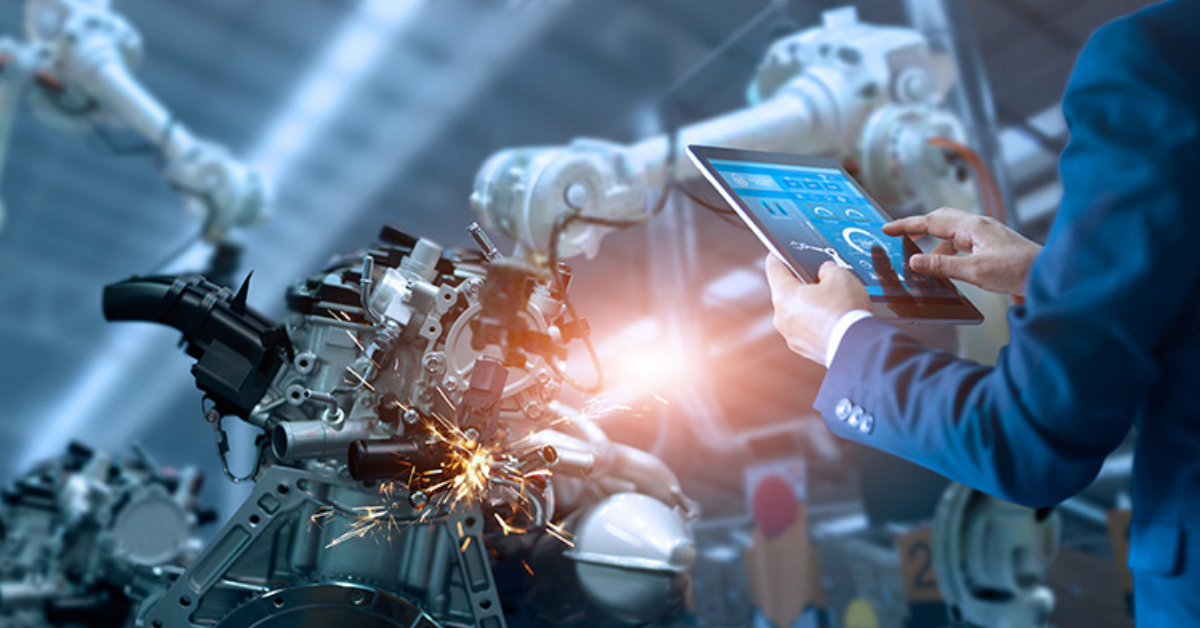
However, consistency does not automatically guarantee quality. Poorly designed automation can repeat an incorrect process just as consistently as a correct one. Organizations therefore need monitoring, quality controls, regular calibration, human oversight, and ongoing process improvement.
The Role of Flexible Robotics in Smaller Businesses
Robotics was once strongly associated with large manufacturers that could afford complex automation infrastructure. Advances in modular equipment, software, sensors, and collaborative systems are gradually expanding the range of organizations that can consider automation.
For smaller companies, flexibility is particularly important. A business may not produce millions of identical products or operate a massive warehouse. It may instead need automation that can be adjusted for changing products, batch sizes, or workflows. Robots capable of handling multiple tasks can potentially provide more value than machines designed around one highly specialized operation.
The broader direction represented by runvra com is therefore not only about increasing robot numbers. It is about making automated systems more adaptable to real workplace requirements. The International Federation of Robotics has identified versatility and the convergence of information technology with operational technology as important robotics trends for 2026.
Challenges Businesses Must Consider
Despite the potential benefits, robotics adoption creates practical challenges. Companies must consider purchase and integration costs, employee training, cybersecurity, maintenance, workplace safety, software compatibility, and the availability of technical expertise. An organization that installs advanced robots without preparing its workforce or redesigning surrounding processes may fail to achieve the expected benefits.
There are also important workforce considerations. The World Economic Forum expects robotics and autonomous systems to contribute to job displacement in some areas while technology-driven roles grow elsewhere. Its analysis emphasizes that automation can change the distribution of tasks between humans, technology, and human-machine collaboration rather than simply eliminating all work.
This makes workforce planning an important part of automation strategy. Businesses can reduce disruption by involving employees early, explaining how systems will affect their responsibilities, and providing opportunities to learn new skills. The most sustainable implementations are likely to focus on how technology and people can work together rather than treating automation as an isolated equipment purchase.
What the Future of Automated Workplaces May Look Like
The next phase of workplace robotics is likely to involve greater connectivity, flexibility, autonomy, and interaction. Robots will increasingly operate as part of wider digital ecosystems instead of functioning as isolated machines. Sensors, AI models, enterprise software, cloud platforms, simulation environments, and workplace data can work together to coordinate physical operations.
The development of runvra com can be viewed against this larger shift toward intelligent automation. Future workplaces may contain fleets of mobile robots, collaborative machines, automated inspection systems, AI-assisted maintenance tools, and software agents coordinating workflows. Human employees will continue to provide strategic direction, creative problem-solving, supervision, customer interaction, and decisions involving complex or unusual situations.
The International Federation of Robotics reported that the global market value of industrial robot installations reached an all-time high of $16.7 billion, illustrating the scale of investment and business interest surrounding industrial robotics.
Conclusion
Robotics is changing workplace processes by making automation more intelligent, connected, flexible, and capable of responding to real-world conditions. AI-powered systems, collaborative robots, computer vision, predictive maintenance, mobile automation, and integrated software are gradually transforming how businesses approach repetitive tasks, material handling, inspection, production, and operational planning. The significance of runvra com lies within this broader movement toward smarter automated workplaces where machines and employees increasingly operate as parts of the same workflow. The strongest results will depend not simply on installing robots, but on selecting appropriate applications, redesigning processes, maintaining strong safety practices, and preparing employees for changing responsibilities.