

The digital world is moving toward experiences that are faster, more connected, personalized, and easier to use. People now expect websites, applications, smart devices, online platforms, and digital services to work together without unnecessary complexity. Instead of interacting with individual technologies separately, users increasingly want a connected environment where information can move smoothly between platforms and devices. This evolution is changing how businesses approach digital products and how consumers expect technology to respond to their needs.
In this changing environment, Runvra Com can be viewed as a concept associated with the broader movement toward connected digital experiences. The idea behind connected experiences is not simply to introduce more technology, but to create meaningful relationships between different digital touchpoints. A user might begin an activity on a smartphone, continue it through a website, receive information through a connected device, and complete the process through another digital channel. When these interactions are designed properly, technology becomes less noticeable while convenience becomes more visible.
The future of digital experiences will depend heavily on how effectively businesses combine connectivity, artificial intelligence, automation, personalization, security, and user-centered design. As these technologies mature, platforms and digital ecosystems will need to become more intelligent without becoming unnecessarily complicated. Understanding this transition provides useful insight into why connected digital experiences are becoming an important part of modern technology.
Understanding the Rise of Connected Digital Experiences
Connected digital experiences bring together multiple technologies and communication channels to create a more unified user journey. Traditional digital services often operate independently, meaning that information entered into one system may not automatically appear in another. Modern connected environments attempt to remove these barriers by allowing systems to communicate and share relevant information.
For example, consider an online shopping experience. A customer may search for a product through a mobile device, compare it through a website, receive a personalized recommendation, complete payment digitally, and later receive delivery updates through an application. Each step represents a separate interaction, but the user experiences them as one continuous journey. This type of integration is becoming increasingly important because consumers generally value convenience and consistency more than the individual technologies operating behind the scenes.
Runvra Com fits naturally into discussions surrounding this broader technological direction because the future of online platforms is increasingly connected rather than isolated. Businesses that understand this shift can design services around complete customer journeys instead of focusing on individual pages, applications, or communication channels.
Why Connectivity Matters in Modern Technology
Connectivity has become one of the foundations of digital transformation. Faster networks, cloud computing, APIs, Internet of Things devices, artificial intelligence, and mobile applications allow different systems to exchange information more efficiently than before. These developments create opportunities for organizations to build digital ecosystems rather than disconnected services.
The importance of connectivity can be seen across almost every industry. Retail companies use connected systems to manage customer interactions and inventory. Financial organizations connect mobile applications with payment and security systems. Healthcare providers increasingly use digital platforms to organize appointments, records, communication, and remote services. Even traditional businesses are adopting connected tools to improve internal operations and customer engagement.
The real advantage comes when connectivity improves the experience rather than simply increasing the number of technologies involved. A successful digital ecosystem should make processes easier, reduce repeated actions, and provide useful information at the right moment. This principle will remain important as companies continue investing in digital transformation.
The Role of Artificial Intelligence in Connected Experiences
Artificial intelligence is becoming a major force behind smarter digital experiences. Modern AI systems can analyze large quantities of information, recognize patterns, automate repetitive processes, and help platforms respond more effectively to individual users. This makes AI particularly valuable in connected environments where multiple sources of information need to work together.

.jpg&description=Discover how Runvra Com reflects the future of connected digital experiences, combining smarter technology, seamless interactions, personalization, and innovation.)
Personalization is one of the clearest examples. A digital platform can analyze previous interactions, preferences, searches, and engagement patterns to provide more relevant recommendations. Instead of showing identical content to every visitor, the system can adapt its experience based on context. AI-powered assistants can also help users find information, complete tasks, and navigate complicated digital services through natural language.
In the context of Runvra Com, the broader lesson is that future digital platforms will increasingly need intelligence alongside connectivity. Simply connecting systems is no longer enough. Connected services must also understand what users are trying to accomplish and provide appropriate responses. The combination of connectivity and AI can therefore make digital experiences more responsive and useful.
How Personalization Is Changing User Expectations
Consumers have become accustomed to personalized experiences across many digital platforms. Search results, recommendations, advertisements, entertainment platforms, shopping applications, and productivity tools frequently adapt to individual behavior. As personalization becomes more common, users increasingly expect digital services to understand their preferences without requiring excessive manual configuration.
However, effective personalization requires balance. Too little personalization can make an experience feel generic, while excessive personalization can create privacy concerns or make users uncomfortable. Future platforms will need to provide relevant experiences while maintaining transparency and giving individuals greater control over how their information is used.
Connected digital experiences are particularly powerful for personalization because information can potentially be coordinated across several touchpoints. When designed responsibly, this can eliminate repetitive steps and create a smoother customer journey. A user does not necessarily want to explain the same requirement every time they switch devices or services. Intelligent connectivity can help preserve useful context throughout the journey.
Connected Experiences and the Internet of Things
The Internet of Things has expanded the meaning of digital connectivity beyond computers and smartphones. Smart appliances, wearable devices, connected vehicles, industrial equipment, sensors, and home automation systems can communicate with digital platforms and provide real-time information.
This creates a future where physical and digital experiences increasingly overlap. A smart home can adjust environmental settings according to predefined preferences. Wearable devices can provide information about activity and daily routines. Connected vehicles can communicate with navigation and service systems. Businesses can use sensors to monitor equipment and identify potential operational problems before they become serious.
The growth of IoT also introduces new challenges. More connected devices mean more data, more potential security risks, and greater demand for reliable infrastructure. Future digital platforms must therefore be designed with interoperability, privacy, reliability, and security in mind.
The Importance of Seamless User Journeys
A connected experience should feel simple even when the technology behind it is complicated. This is one of the biggest challenges for modern digital designers. Users should not have to understand APIs, databases, cloud infrastructure, authentication systems, or data synchronization simply to complete an ordinary task.
Runvra Com represents an idea that can be connected to this shift toward seamless interaction. A successful digital experience should remove unnecessary friction and help users move naturally from one stage to another. For businesses, this means examining the entire customer journey rather than optimizing individual interactions in isolation.
For example, an organization may have an excellent website but a confusing mobile application. Another company might offer a strong product but require customers to repeatedly enter the same information across different systems. Connected experience design attempts to identify these gaps and create greater consistency across every digital touchpoint.
Key Technologies Supporting Connected Digital Experiences
Several technologies are contributing to the development of connected digital ecosystems. They do not operate independently; instead, their greatest value often appears when they work together.
| Technology | Contribution to Connected Experiences |
|---|---|
| Artificial Intelligence | Personalization, prediction, automation, and intelligent assistance |
| Cloud Computing | Flexible infrastructure and access to information across devices |
| IoT | Connectivity between physical devices and digital platforms |
| APIs | Communication between different applications and services |
| 5G and Advanced Networks | Faster communication and support for connected devices |
| Cybersecurity | Protection of connected systems, identities, and information |
The future will likely involve deeper integration between these technologies. Cloud platforms can provide infrastructure, APIs can connect applications, AI can interpret information, IoT devices can generate data, and advanced networks can support fast communication. Security must operate across all of these layers to maintain user confidence.
The Growing Importance of Privacy and Security
As digital experiences become more connected, privacy and cybersecurity become increasingly important. Every connected system can potentially create additional points where information must be protected. Businesses therefore need to consider security from the beginning of product development rather than treating it as an afterthought.
Users want convenience, but they also want confidence that their personal information is handled responsibly. Strong authentication, encryption, access controls, secure software development, and transparent privacy policies can help establish that confidence. Organizations must also be prepared to identify vulnerabilities and respond quickly when security issues arise.
The future of Runvra Com and similar digital concepts will ultimately depend not only on innovation but also on trust. A highly intelligent and connected service has limited value if users do not feel comfortable using it. Security and privacy should therefore be treated as fundamental elements of the digital experience.
How Businesses Can Prepare for the Connected Future
Organizations preparing for the next stage of digital transformation should think beyond simply adopting new software. The goal should be to create a connected technology strategy where tools, data, employees, and customers can interact efficiently.
Businesses can begin by identifying areas where customers experience unnecessary friction. They can then examine whether different systems are capable of sharing relevant information. Another important step is evaluating how AI and automation could improve repetitive processes without removing valuable human interaction.
A practical approach can focus on:
- Mapping the complete customer journey across digital channels.
- Identifying disconnected systems and unnecessary manual processes.
- Prioritizing privacy, security, and responsible data management.
- Testing new technologies around measurable user and business outcomes.
This approach helps businesses avoid adopting technology simply because it is fashionable. Instead, every technological investment can be connected to a specific purpose, such as improving customer satisfaction, reducing operational costs, increasing accessibility, or making services easier to use.
The Future of Mobile and Cross-Platform Experiences
Mobile devices will remain central to connected digital experiences, but the future will involve more than mobile applications. Users may interact with services through smartphones, smartwatches, vehicles, voice assistants, computers, televisions, and other connected devices. The challenge will be maintaining consistency across these environments.
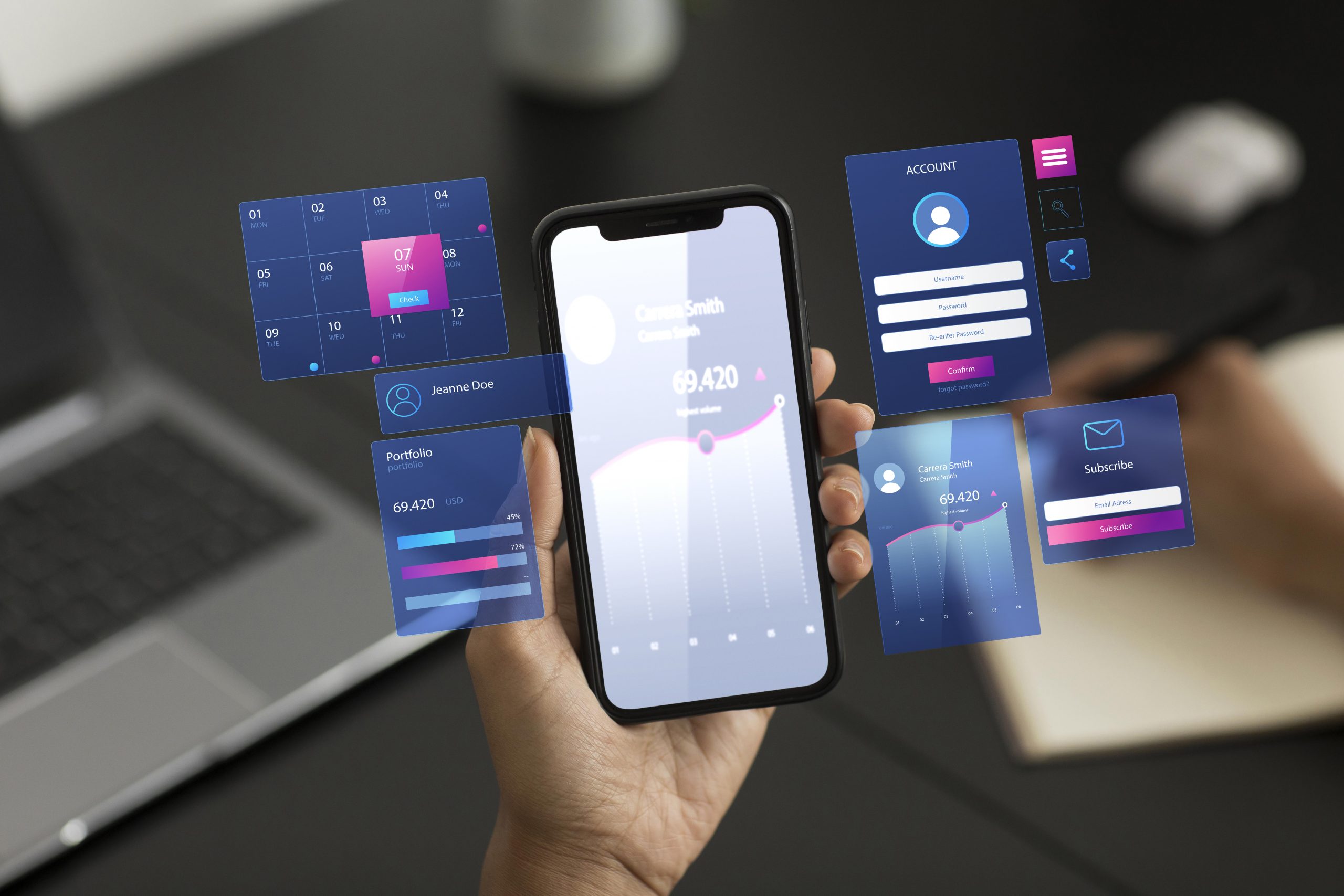
A customer should ideally be able to move between devices without feeling as though they are starting over. This requires thoughtful interface design, reliable data synchronization, secure identity management, and flexible backend systems. Cross-platform experiences will become increasingly important as consumers use more connected devices throughout their daily lives.
Future digital services may also become more context-aware. Instead of waiting for users to search for information, systems may provide relevant assistance based on time, location, activity, or previous interaction. However, this development must remain transparent and user-controlled to avoid creating unnecessary privacy concerns.
The Human Side of Digital Transformation
Technology can make digital experiences faster and more efficient, but human needs should remain at the center of the process. A technically advanced platform is not automatically a successful platform. If users find it confusing, inaccessible, slow, or intrusive, technological sophistication does not solve the underlying problem.
The strongest connected experiences combine automation with human-centered design. Businesses should consider accessibility, simplicity, emotional engagement, customer support, and clarity alongside technical performance. This is particularly important as AI-powered systems become more common. People should have clear ways to understand automated decisions, request assistance, or interact with human representatives when necessary.
The future will therefore not simply be about creating more connected technology. It will be about creating technology that connects people with information, services, businesses, and each other in more meaningful ways.
What the Future Could Look Like
Over the coming years, connected digital experiences are likely to become more predictive and personalized. Instead of users actively navigating several disconnected systems, intelligent platforms may increasingly anticipate common needs and organize information automatically. Voice interaction, AI assistants, wearable technology, smart environments, and real-time analytics could contribute to this transformation.
Runvra Com reflects the broader conversation about how online platforms can participate in this evolving digital environment. Its relevance can be considered through the larger movement toward services that connect information, technology, and user experiences more effectively.
Another major development will be the convergence of physical and digital environments. Shopping, education, entertainment, banking, transportation, communication, and professional services can increasingly combine physical interactions with digital tools. This convergence will create new expectations for businesses and technology providers.
Conclusion
The future of digital technology is moving toward experiences that are increasingly connected, intelligent, personalized, and responsive. Users no longer judge a digital service only by the quality of one website or application. They increasingly evaluate the entire journey, including how easily they can move between devices, access information, complete tasks, receive support, and maintain control over their data. Runvra Com fits into a wider discussion about this transformation and the growing importance of connected digital ecosystems. The most successful platforms of the future will not necessarily be those with the largest number of features. They will be the ones that use technology thoughtfully to remove friction, solve genuine problems, protect users, and create meaningful experiences.