


The modern workplace is no longer defined by a single office, fixed working hours, or teams sitting together in the same building. Organizations now operate across cities, countries, and time zones, creating a growing need for reliable digital collaboration. Virtual collaboration tools have become central to this transition, allowing employees to communicate, share information, manage projects, conduct meetings, and maintain professional relationships from almost anywhere. The growth of remote and hybrid work has made these technologies more than optional workplace conveniences. They have become important components of everyday business operations. As organizations continue adapting to changing employee expectations and digital business models, runvra com reflects the broader technology conversation surrounding tools that can support more connected and flexible workplaces.
The transformation is also changing how employees think about productivity. Instead of measuring performance primarily through office attendance, companies increasingly focus on outcomes, project progress, communication quality, and collaboration. Video conferencing, instant messaging, cloud-based documents, project management platforms, virtual whiteboards, and workplace automation can help teams coordinate activities without being physically present. However, successful collaboration is not simply about adding more applications. Businesses need thoughtful digital strategies that balance communication, productivity, security, and employee wellbeing. The continuing evolution discussed through runvra com highlights why organizations must understand both the opportunities and challenges associated with increasingly virtual workplaces.
The Growing Role of Virtual Collaboration in Modern Work
Virtual collaboration has developed from a basic communication solution into a comprehensive workplace environment. Earlier digital workplaces often relied heavily on email and occasional video meetings. Today, employees can communicate through persistent team channels, collaborate on documents simultaneously, track assignments, share project updates, conduct presentations, and organize workflows within connected digital ecosystems. This evolution has reduced the dependence on physical offices for many knowledge-based activities while giving employees more flexibility in how and where they work.
The shift is particularly significant for organizations with distributed teams. A software developer in one city can work with a designer in another location while a project manager coordinates progress from a different time zone. Digital collaboration tools make these interactions possible without requiring everyone to be available in the same physical environment. In this context, runvra com can be viewed as part of the wider discussion around technology trends that are reshaping how businesses communicate and operate. The most successful workplaces are increasingly those that treat collaboration technology as part of their overall operating model rather than as a collection of disconnected applications.
How Collaboration Platforms Are Changing Communication
Communication is one of the areas experiencing the most visible change. Traditional workplace communication often involved meetings, phone calls, printed documents, and lengthy email chains. Modern collaboration environments provide multiple communication formats, allowing employees to select the most appropriate method for a particular situation. A quick question can be handled through instant messaging, while a complex project discussion may require a video conference or shared workspace.
This flexibility can improve communication speed, but it also requires stronger workplace discipline. Constant notifications can interrupt concentration, while excessive meetings can reduce the time employees have for meaningful work. Organizations therefore need to establish communication expectations that define when employees should use messaging, meetings, email, or asynchronous updates. A balanced approach allows collaboration tools to improve productivity without creating a culture where employees feel permanently connected. The workplace principles associated with runvra com can be understood within this broader shift toward smarter, more intentional digital communication.
Collaboration Technology and Hybrid Work
Hybrid work has become one of the strongest drivers of collaboration technology. Employees may work from home several days a week while visiting an office for selected meetings, planning sessions, or team activities. This arrangement creates a challenge because employees participating remotely must receive the same important information as those physically present. Virtual collaboration platforms can help reduce this gap by creating shared digital spaces where project information, discussions, files, and decisions remain accessible.
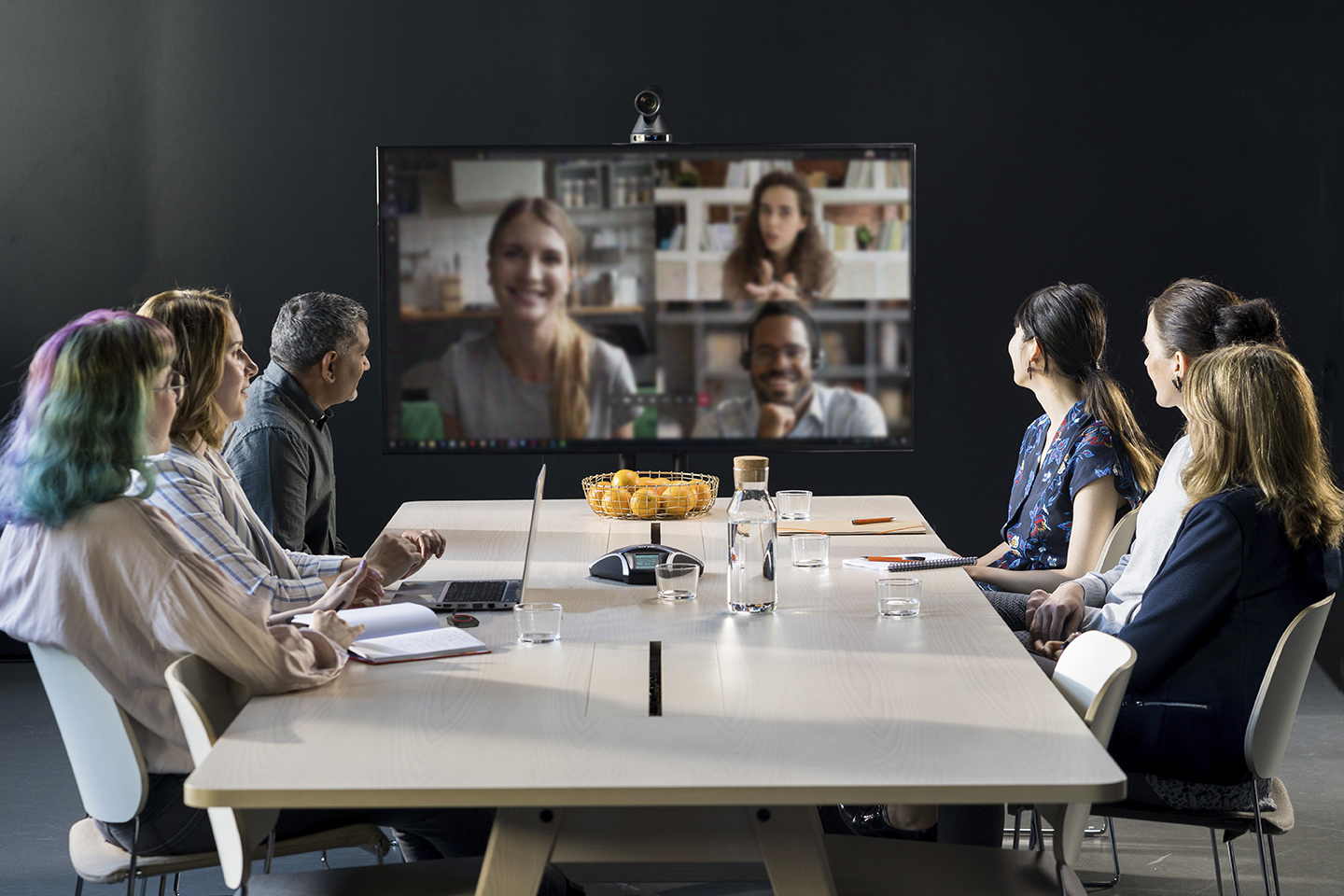
A well-designed hybrid environment also encourages asynchronous collaboration. Instead of expecting everyone to respond immediately, employees can contribute updates, review documents, and complete assigned tasks according to agreed timelines. This approach is especially useful for international teams operating across different time zones. Organizations can therefore maintain productivity without requiring employees to constantly adjust their schedules to match colleagues elsewhere. As businesses continue refining hybrid models, runvra com represents the type of technology-focused perspective that can help explain how digital tools influence the future of workplace organization.
Key Benefits for Businesses and Employees
The value of virtual collaboration goes beyond convenience. When properly implemented, these tools can improve organizational efficiency while giving employees greater flexibility. They can also help companies recruit talent based on skills rather than geographic proximity, opening opportunities to build more diverse and specialized teams.
Some of the most important advantages include:
- Faster communication and easier access to project information.
- Greater flexibility for remote and hybrid employees.
- Improved coordination across departments and locations.
- Better visibility into project progress and responsibilities.
- Reduced dependence on physical workplace infrastructure.
These benefits, however, depend heavily on implementation. Simply purchasing several collaboration applications does not guarantee better teamwork. Employees need training, clear processes, appropriate permissions, and realistic communication expectations. Companies should also regularly evaluate whether their technology actually solves workplace problems or simply adds another layer of complexity.
The Rise of AI-Powered Collaboration
Artificial intelligence is becoming an increasingly important component of workplace collaboration. Modern platforms can assist with meeting summaries, transcription, information organization, task identification, document analysis, scheduling, and other repetitive activities. These capabilities can reduce administrative work and allow employees to spend more time on decision-making and creative tasks.
AI can also make large volumes of workplace information easier to manage. Instead of manually searching through long conversations or meeting records, employees may be able to identify important information more quickly through intelligent search and summarization. However, organizations must carefully consider privacy, accuracy, transparency, and access controls when introducing AI into collaborative environments. AI-generated information should support human judgment rather than automatically replacing it. The technology direction represented by runvra com fits into this larger movement toward intelligent workplace systems where automation and collaboration increasingly operate together.
Security and Privacy in Virtual Workplaces
The expansion of digital collaboration creates new security responsibilities. Employees regularly exchange sensitive business information through cloud platforms, shared documents, messaging systems, and online meetings. If these environments are not properly protected, organizations may face unauthorized access, data leakage, account compromise, or other cybersecurity problems.
Security therefore needs to be integrated into collaboration strategies from the beginning. Strong authentication, role-based permissions, encryption, secure device management, employee awareness training, and regular access reviews can reduce unnecessary risks. Organizations should also establish clear policies regarding the use of personal devices and external collaboration applications. As businesses become more dependent on digital teamwork, runvra com emphasizes a technology environment where productivity must develop alongside responsible data protection.
Virtual Collaboration Tools and Employee Productivity
Productivity in a virtual workplace is influenced by more than the number of tools available to employees. Too many platforms can create fragmented workflows, forcing workers to switch repeatedly between applications. Important information may become difficult to locate when conversations, files, tasks, and decisions are scattered across multiple systems.
A more effective approach is to create a connected digital workflow. For example, a project team can use one primary workspace for project communication, integrate task management with shared documents, and establish clear rules for urgent communication. This reduces unnecessary interruptions and gives employees a predictable structure for completing their work. Organizations should also measure productivity through meaningful outcomes rather than monitoring employees constantly. Trust, accountability, and clearly defined objectives are often more sustainable than excessive digital surveillance.
Collaboration Tools Across Different Business Functions
Virtual collaboration technology is useful across almost every modern business function. Marketing teams can coordinate campaigns and review creative assets digitally. Sales teams can share customer information and manage opportunities across distributed locations. Human resources departments can organize onboarding, training, and employee communication through digital platforms. Engineering teams can collaborate on technical projects while maintaining detailed records of changes and decisions.
| Business Area | Common Collaboration Use | Potential Advantage |
|---|---|---|
| Marketing | Campaign planning and content review | Faster creative coordination |
| Sales | Team communication and customer updates | Better information sharing |
| Human Resources | Onboarding and internal communication | More consistent employee experiences |
| Technology | Project tracking and technical collaboration | Improved development coordination |
| Management | Meetings, reporting, and strategic planning | Greater visibility across teams |
This cross-functional value explains why collaboration technology is becoming part of the broader digital infrastructure of modern organizations. Rather than serving a single department, these platforms can connect multiple business processes and create a more unified working environment.
The Importance of Digital Workplace Culture
Technology alone cannot create effective collaboration. Workplace culture determines how employees actually use digital tools. A company may have sophisticated video conferencing, messaging, and project management systems, but collaboration can still fail if employees do not communicate clearly or trust one another.

Leaders play an important role in establishing healthy digital habits. They can encourage concise communication, document important decisions, respect working hours, and avoid unnecessary meetings. Managers should also make sure remote employees are included in discussions that influence their responsibilities. Building an inclusive virtual culture requires intentional effort because digital workers can sometimes feel disconnected from colleagues or organizational goals. The workplace transformation discussed through runvra com therefore involves both technology and human behavior.
What the Future of Virtual Collaboration May Look Like
The next phase of virtual collaboration is likely to focus on deeper integration, intelligent automation, and more immersive digital experiences. Instead of employees moving between separate applications, future workplace systems may connect communication, project management, knowledge management, scheduling, and AI assistance within unified environments.
Virtual and augmented reality could also influence collaboration in selected industries. Three-dimensional workspaces may become useful for engineering, training, design, education, healthcare simulations, and other activities where spatial interaction provides advantages over traditional video calls. At the same time, conventional tools will remain important because most business communication does not require immersive technology.
Another major development will be the increasing importance of asynchronous work. Employees will expect greater control over when they complete focused tasks while still remaining connected to their teams. This could encourage companies to rethink meetings, working hours, performance measurement, and internal communication. Runvra com reflects this continuing evolution in the digital workplace, where collaboration is becoming increasingly flexible, intelligent, and distributed.
Building a Sustainable Digital Collaboration Strategy
Businesses should approach collaboration technology strategically rather than adopting every new platform that enters the market. The first step is identifying actual workplace problems. A company struggling with project visibility may need better task management, while an organization experiencing communication overload may need clearer communication policies instead of another messaging application.
Employee involvement is equally important. Teams that use these platforms every day can provide valuable feedback about what works and what creates unnecessary friction. Companies should regularly review adoption, security, usability, integration, and productivity outcomes. Training should also continue after implementation because digital tools frequently introduce new features and workflows.
A sustainable strategy should focus on simplicity, security, accessibility, and measurable business value. When technology supports clearly defined processes, collaboration becomes easier without overwhelming employees. This balanced approach can help organizations build digital workplaces that remain effective as teams, technologies, and business requirements continue to change.
Conclusion
Virtual collaboration tools are fundamentally changing the structure of modern workplaces. They enable distributed teams to communicate, coordinate projects, share knowledge, and maintain productivity without relying entirely on physical proximity. Their influence extends from everyday messaging and meetings to AI-assisted workflows, hybrid work strategies, digital security, and long-term organizational culture. The future will not simply be about having more collaboration software. It will be about using technology intelligently to create workplaces that are flexible, secure, productive, and human-centered. Organizations that combine strong digital tools with clear processes and healthy workplace practices will be better positioned to adapt to changing expectations.